What Are Image Segmentation Tools? A Simple Guide
Digital Marketing Manager with a deep fascination for the intersection of marketing technology and artificial intelligence. I'm currently on a learning journey exploring Large Language Models (LLMs) and their practical applications in automating and optimizing marketing workflows. I write about my discoveries in AI, digital marketing strategies in the age of AI, and how these powerful tools are shaping the future of the web.
Have you ever wondered how computers can "see" and understand images? They use something called image segmentation. This technology helps computers recognize different objects in pictures. In this article, we'll explain what image segmentation tools are and why they're so important.
What Is Image Segmentation?
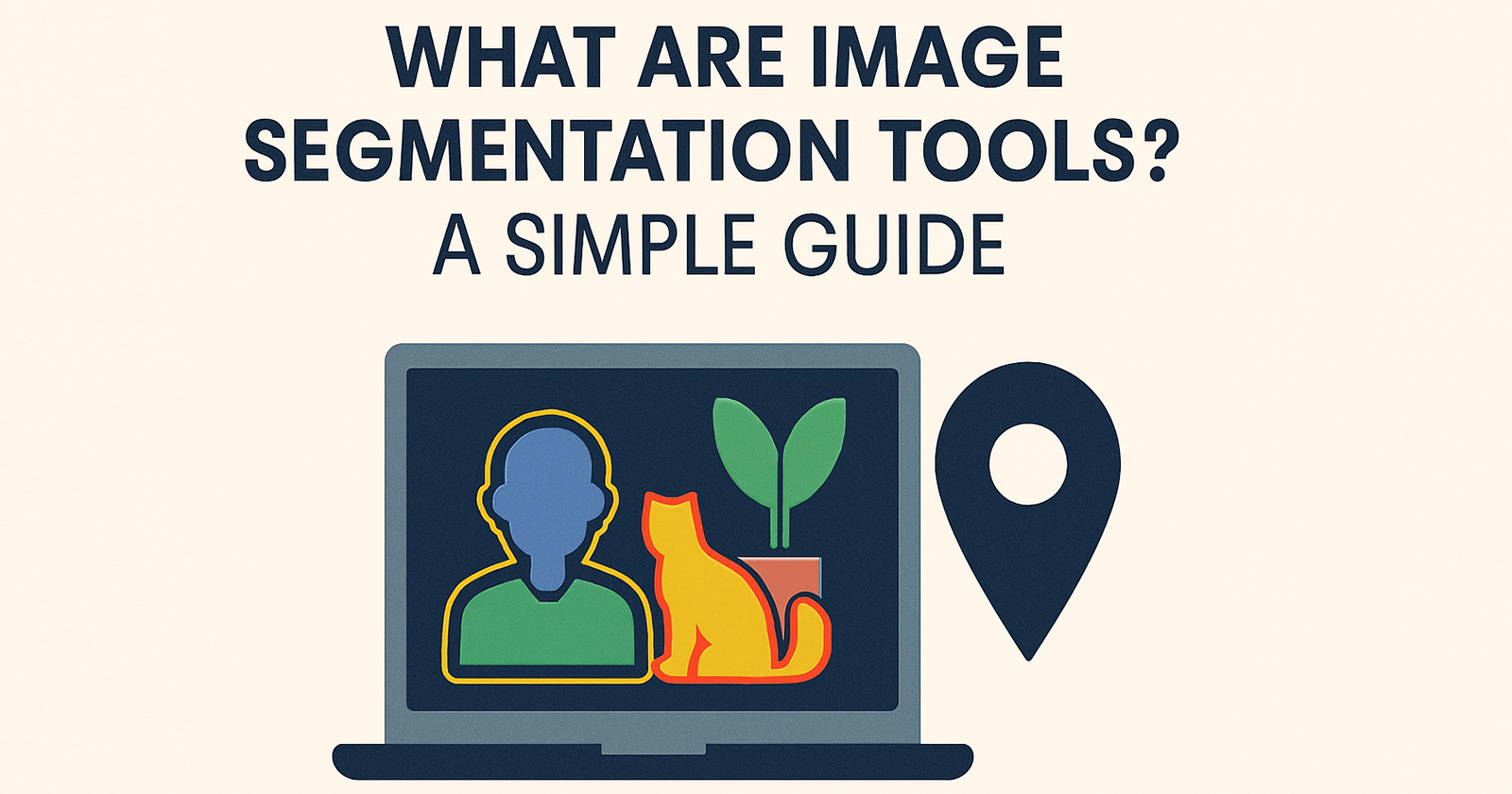
Image segmentation is a process where computers divide an image into different parts or segments. Each segment represents a specific object or area. Think of it like a coloring book where you color different objects with different colors. This helps computers understand what's in an image. AI image segmentation makes this process faster and more accurate.
Image segmentation works by looking at each pixel in an image. Pixels are the tiny dots that make up a digital picture. The software groups similar pixels together. These groups become the segments. For example, in a picture of a street, the software might create one segment for cars, another for people, and another for buildings.
Why Do We Need Image Segmentation Tools?
We need image segmentation tools because they help computers understand visual information like humans do. These tools are essential for self-driving cars, medical imaging, and facial recognition. They make AI systems smarter by helping them identify objects, boundaries, and details in images that would be difficult to spot otherwise.
Without image segmentation, computers would see images as just a collection of colors. They wouldn't understand what objects are in the picture. Image segmentation software gives meaning to these pixels. It helps computers recognize patterns and make decisions based on what they "see."
How Do Image Segmentation Tools Work?
Most modern image segmentation tools use artificial intelligence. Here's a simple breakdown of how they work:
First, the tool analyzes every pixel in the image
It looks for patterns and similarities between pixels
It groups together pixels that share characteristics
Each group becomes a segment representing an object or area
The tool labels each segment so computers understand what it is
AI-assisted segmentation has made this process much better. The AI learns from thousands of examples. This helps it become more accurate over time. Tools like Labellerr AI use advanced algorithms to make segmentation fast and precise.
Types of Image Segmentation
There are different ways to segment images. Each type has its own uses:
Semantic Segmentation
This type groups pixels that belong to the same category. For example, all cars in an image would be one segment, all trees another segment. It doesn't distinguish between different objects of the same type.
Instance Segmentation
This type identifies each individual object separately. If there are three cars in an image, instance segmentation would mark each car as a separate segment. This is more detailed than semantic segmentation.
Panoptic Segmentation
This combines both semantic and instance segmentation. It identifies all objects in an image and labels each one separately. This gives the most complete understanding of an image.
Where Are Image Segmentation Tools Used?
Image segmentation tools have many important uses:
Medical Imaging: Doctors use them to find tumors or analyze X-rays
Self-Driving Cars: Cars use them to identify roads, signs, and pedestrians
Security: They help facial recognition systems work better
Agriculture: Farmers use them to monitor crops and find problems
Retail: Stores use them for inventory management and customer analysis
According to Google's MediaPipe documentation, image segmentation can run efficiently even on mobile devices, making it accessible for many applications.
What Are the Benefits of Using Image Segmentation Tools?
Image segmentation tools offer several key benefits: they save time by automating tedious manual work, improve accuracy in identifying objects, help process large amounts of visual data quickly, enable new applications like medical diagnosis assistance, and make computer vision systems more reliable and efficient across various industries.
Here are the main advantages in more detail:
Time Saving: Manual image analysis takes hours. AI tools can do it in seconds
Better Accuracy: Computers don't get tired or miss details like humans sometimes do
Handling Big Data: These tools can process thousands of images quickly
New Possibilities: They enable technologies we couldn't have before
Cost Effective: In the long run, they reduce the cost of image analysis
Challenges in Image Segmentation
Despite their benefits, image segmentation tools face some challenges:
Poor image quality can affect results
Similar-looking objects can be hard to distinguish
Shadows and lighting changes can confuse the algorithms
Complex backgrounds make segmentation difficult
Training AI models requires lots of labeled data
As noted in MATLAB's image segmentation guide, choosing the right algorithm for your specific needs is crucial for good results.
Different Types of Image Segmentation Tools
There are several kinds of image segmentation tools available:
Online Image Segmentation Tools
These are web-based tools you can use without installing software. You upload your image to a website, and it processes the image online. These are convenient for quick tasks or if you don't want to install software.
Open Source Image Segmentation Tools
These are free tools where the code is available for anyone to use and modify. They're great for learning, research, or if you're on a budget. Popular examples include tools built on TensorFlow or PyTorch.
Commercial Image Segmentation Platforms
These are paid services that often offer more features, support, and reliability. They're typically used by businesses that need consistent, high-quality results. Labellerr AI is an example of a sophisticated commercial platform.
How to Choose the Right Image Segmentation Tool
Selecting the right tool depends on your needs:
Consider what types of images you'll be working with
Think about how accurate the results need to be
Determine your budget (free vs. paid tools)
Check if you need special features
See how easy the tool is to use
Look at how well it integrates with your other software
According to research from the National Center for Biotechnology Information, the choice of segmentation method significantly impacts the results in medical imaging applications.
FAQs About Image Segmentation Tools
What is the difference between image segmentation and object detection?
Image segmentation works at the pixel level, identifying exactly which pixels belong to which objects. Object detection just draws boxes around objects without precise boundaries. Segmentation gives more detailed information about object shapes and boundaries.
Can image segmentation tools work with videos?
Yes, many modern image segmentation tools can process videos by treating them as a series of images (frames). Some tools are specifically designed for video segmentation and can track objects across multiple frames efficiently.
Do I need programming skills to use image segmentation tools?
It depends on the tool. Some platforms like Labellerr AI offer user-friendly interfaces that don't require coding. Others, especially open source image segmentation tools, might need programming knowledge for setup and customization.
Ready to Explore Image Segmentation Tools?
Ready to explore the best image segmentation tools available? Check out our comprehensive guide to top image segmentation tools to find the perfect solution for your needs.
Conclusion
Image segmentation tools are powerful technologies that help computers understand visual information. They work by dividing images into meaningful segments that represent different objects or areas. These tools are used in many fields, from medicine to self-driving cars.
Whether you choose an online image segmentation tool, an open source option, or a commercial platform like Labellerr AI, these tools can save time, improve accuracy, and enable new applications. As AI technology continues to advance, we can expect image segmentation to become even more accurate and accessible.
If you're interested in trying image segmentation for your projects, start by identifying your specific needs and exploring the different options available. The right tool can make a significant difference in your results.